
Why Routine Feels Like Coming Home in an Uncertain World
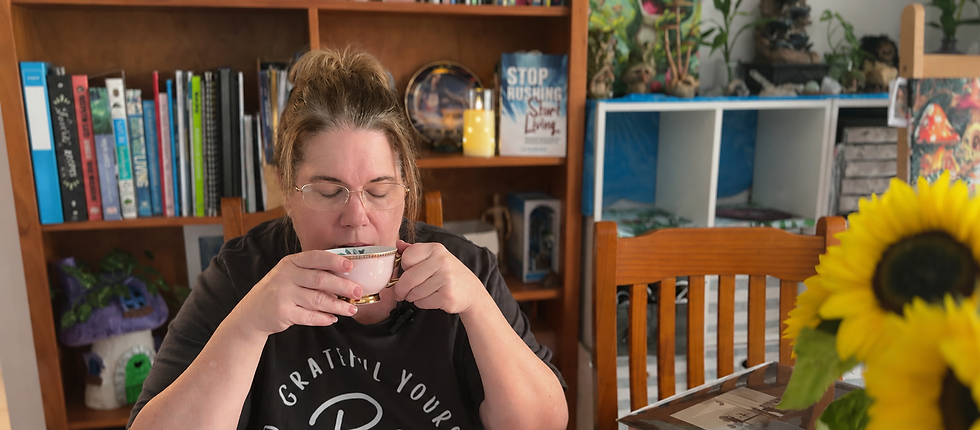
This week has felt... noisy.
Every time I opened the news there seemed to be another crisis unfolding somewhere in the world. One headline warned about war. The next predicted that artificial intelligence was about to replace humanity. Then came another YouTube video confidently explaining why the end of civilisation was apparently just around the corner.
After a while I noticed something happening inside me, not panic or anxiety exactly, just that familiar feeling of uncertainty. Like the ground beneath your feet isn't quite as solid as it was yesterday.
Perhaps you've felt it too.
It isn’t always about world events. Sometimes it's waiting for medical results, a redundancy at work, a changing relationship, children growing up or simply one of those times where life seems to be shifting in ways you can't quite predict.
It made me stop and think about what helps me feel grounded whenever uncertainty creeps into my life. Time and time again, I find myself returning to something wonderfully ordinary – routine.
I know.
It doesn't sound particularly exciting. In fact, you might be reading this and thinking, "Routine? Really? That's your big secret?"
Routine isn't glamorous. It won't trend on social media, and I can't imagine anyone proudly announcing, "Guess what? I've gone to bed at 9:30 every night this week!"
But perhaps that's exactly why it matters.
Because when so much of life feels beyond our control, routine quietly reminds us that not everything is.
The Comfort of Ordinary Things

There is something quietly comforting about the familiar moments in our days.
The kettle clicks off as you make your morning cup of tea. The dog waits patiently by the front door, tail wagging because it already knows it's time for your daily walk. The garden catches the first rays of sunlight as you wander outside to water the plants. Dinner simmers on the stove while familiar music plays softly in the background. Before bed, you curl with a good book, reading a few chapters before turning out the light.
On the surface, none of these moments seem particularly remarkable.
They're ordinary.
Predictable.
The sort of things we often rush through without giving them a second thought.
Yet these small rituals quietly stitch our days together, creating a rhythm that makes life feel just a little more predictable. They create a gentle rhythm that reminds us life is still unfolding in familiar ways, even when the world outside feels noisy, uncertain or completely beyond our control.
I've come to think of routine as less of a timetable and more as an anchor.
It doesn't stop the storms of life from arriving, but it gives you something steady to hold onto while they pass.
Perhaps that's why these everyday moments feel so grounding.
They whisper to our nervous system, You've done this before. You're safe. You know what comes next.
And sometimes, in a world that constantly seems to be demanding our attention and predicting the next crisis, that quiet sense of familiarity is exactly what we need.
When Life Changes, Routine Changes Too
Now I can almost hear some of you saying, "That's all well and good but what about when life completely turns upside down? Routine isn't exactly possible then."
And you're right.
Life has a habit of interrupting even the best-laid plans.
People become unwell. Relationships end. Jobs change. Babies are born. Loved ones need caring for. Sometimes an unexpected phone call at 8 o'clock on a Tuesday morning changes everything.
Those are the moments when our usual routines often disappear overnight.
A few years ago, my dad was unexpectedly admitted to hospital with a serious infection.
Suddenly, our normal days vanished.
Instead of spending mornings working and afternoons pottering around the garden, Mum and I found ourselves making the drive to the hospital almost every day. We would arrive around the same time each morning, spend a few hours chatting with Dad, have lunch together in the hospital, then head home in the afternoon.
None of that had been planned.
No one sat down and decided, "This will be our new routine."
It simply evolved.
Without even realising it, we'd created a new rhythm that helped us navigate a difficult and uncertain week.
Thankfully, Dad recovered well and was home within the week.
That experience taught me something I've never forgotten.
Routine isn't about rigidly clinging to the same schedule forever; sometimes it means building a new one that carries you through until life settles again.
Why Our Brains Love Predictability
You don't have to spend long talking to child psychologists or paediatricians before you'll hear one consistent message: children thrive on routine.
That doesn't mean they always enjoy it, of course. They may grumble about bedtime, complain when it's time to brush their teeth or insist they don't want to leave the playground. Yet beneath the protests, predictable routines provide something children need deeply - a sense of safety.

Knowing what comes next helps children make sense of their world. Rather than constantly trying to work out what's happening next, they can relax into the rhythm of their day.
Over time, those seemingly ordinary routines do far more than simply organise the day. They help children develop independence, emotional regulation, confidence and the executive functioning skills they'll rely on throughout life.
Somewhere along the way, though, we seem to have convinced ourselves that routine is something we eventually outgrow. That once we're adults, it somehow becomes less important.
After all, if social media is to be believed, we're supposed to be spontaneous and endlessly flexible. Ready to say yes to anything at a moment's notice, juggle a dozen different responsibilities, keep every option open and somehow do it all with a smile on our face and a song in our heart.
But our brains haven't changed nearly as much as we sometimes think.
They're still prediction machines.
One of the brain's primary jobs is to keep us safe, and one of the ways it does that is by constantly asking a simple question: "What happens next?"
When the answer is familiar, the brain can relax. It doesn't have to remain on high alert, scanning for uncertainty or potential threats. Instead, it can conserve precious mental energy for the things that genuinely need our attention.
That's one of the reasons routine can feel so calming.
Not because there's anything magical about eating lunch at 12 o'clock or walking the dog at 7 am, but because every familiar habit becomes a quiet signal to your nervous system that says, "Everything is okay. We know this. We've done it before."
We don't outgrow our need for predictability. We simply stop recognising it.
Just as it does for children, predictability creates a sense of safety for adults too.
And when we feel safe, our mind and body can finally begin to settle.
The Paradox
Looking back over nearly thirty years as a psychologist, one pattern stands out to me time and time again. When people are struggling with anxiety, depression, grief or overwhelming stress, their routines are often among the first things to quietly disappear.
Sleep becomes irregular. Meals get skipped. The morning walk slowly fades away. Weekdays begin to blur into weekends. Sometimes people stay in their pyjamas until lunchtime or forget to open the curtains because simply getting through the day is taking every ounce of energy they have.
None of this happens because they're lazy or lacking in willpower.
It happens because stress changes the way our brain works. When we're overwhelmed, we're focused on getting through the next hour, not maintaining the habits that once helped us feel grounded.
It's completely understandable.
Yet it's also one of life's quiet paradoxes.
The very thing that stress so often takes away from us is one of the very things that can gently help us find our footing again.
Not by demanding perfection.
Not by expecting a colour-coded planner or a military-style schedule.

But by reintroducing one small moment of predictability at a time.
A regular bedtime.
A morning walk.
Making a cup of tea before work.
Watering the garden each evening.
Small, familiar rhythms that quietly remind your mind and body, "We're safe. We know what comes next."
Little by little, those ordinary moments become anchors. And sometimes, when life feels uncertain, an anchor is exactly what we need to begin finding our way back to ourselves.
Aim for Rhythm, Not Perfection
One mistake I see people make is believing that having a routine means living by a strict timetable. They imagine every hour carefully planned and every task completed at exactly the right time. If breakfast happens a little later than usual, the morning walk gets skipped or dinner ends up being takeaway, they feel as though they've somehow failed.
But that's never what routine was meant to be.
Life simply doesn't work like that. Children wake up sick. Meetings run late. Traffic is heavier than expected. Friends need our help. And sometimes we sleep through the alarm because our body desperately needed the extra rest. These interruptions aren't failures; they're simply part of being human.
That's why I like to think about routine using the 80/20 rule. Aim to follow your usual rhythm around 80% of the time and leave the remaining 20% for life to unfold as it inevitably will.
A healthy routine should provide structure without becoming another source of pressure. It should make life feel easier, not become another standard you feel guilty for not meeting.

I often think of routine as being like the banks of a river. They provide enough structure to guide the water, but the river is still free to bend, slow down, speed up and move around whatever it encounters.
Our lives are much the same. We need enough structure to keep us grounded, but enough flexibility to adapt when circumstances change.
Because in the end, routine isn't about perfection.
It's about creating a gentle rhythm that carries you through ordinary days and steadies you through the difficult ones.
A rhythm that quietly reminds you where home is, even when life feels a little chaotic.
A Few Places to Start
If life has felt a little unsettled lately, you don't need to reinvent your entire life by Monday morning.
In fact, I'd encourage you not to.
The most meaningful routines are rarely the complicated ones.
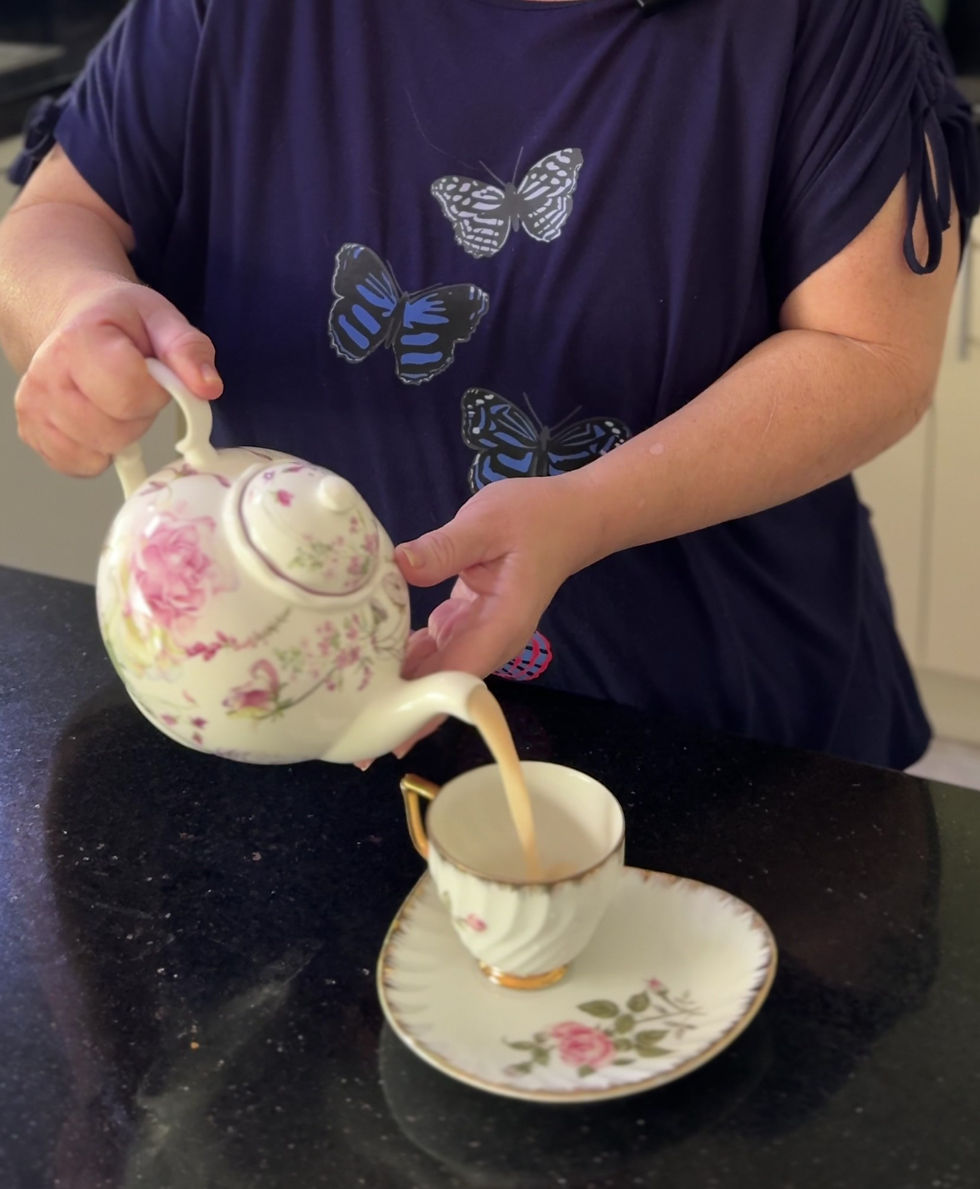
They're usually built from small, ordinary moments that happen so consistently they become part of the background rhythm of our lives.
Over time, those moments quietly become anchors that help us feel grounded, especially when everything else seems uncertain.
Perhaps that anchor is waking up and going to bed at roughly the same time each day, allowing your body clock to settle into a familiar rhythm. Maybe it's stepping outside for a few minutes each morning to feel the
sunshine on your face, taking the dog for a walk, or simply moving your body in a way that feels kind rather than punishing.
For you, it might be eating meals at regular times, creating a clear boundary between work and home, switching your phone off an hour before bed or ending each evening with a cup of tea, a good book, gentle music or a few quiet moments of reflection.
What's important is that it becomes something your mind and body can rely on. A familiar rhythm that says, This is how we begin the day. Or, This is how we gently bring it to a close.
You don't need a colour-coded planner, a perfectly organised calendar or a morning routine that starts at 5 am.
You simply need a handful of familiar moments that help your nervous system exhale and quietly remind you, We're okay. We know what comes next.
And sometimes, that's enough to make even the busiest day feel just a little more manageable.
Reminder
The truth is, the world has always been uncertain.
Long before twenty-four-hour news cycles and social media, there were wars, economic downturns, natural disasters and times when people worried about what tomorrow might bring. Uncertainty isn't new. The only difference today is that we're exposed to it almost constantly.
Perhaps that's why the quiet rituals of everyday life matter so much.
Making the bed each morning.
Walking the dog around the neighbourhood.
Sharing dinner with the people you love.
None of these moments will change what's happening in the wider world.
But they do remind your mind and body that, even when life feels uncertain, there are still familiar rhythms you can return to. Small moments of steadiness. Quiet acts of reassurance. Gentle reminders that while we can't always control what happens around us, we can create a little more calm within us.
And sometimes, that's exactly where peace begins.
Because while we may never be able to control the world around us, we can choose the rhythm with which we move through it. And perhaps that's one of the quietest, kindest gifts we can give ourselves.
Ready to Create a Calmer Rhythm?
If this article resonated with you, you might enjoy my free 7 Days to a Calmer You Challenge.
Over seven gentle days, I'll guide you through one simple practice each day to help you slow down, reconnect with yourself and begin creating small daily habits that support a calmer, more intentional life. There's nothing overwhelming to keep up with—just simple, practical ideas that fit into real life.
You can also join my Slow Down Community, where each week I share a thoughtful email filled with practical psychology, reflections, encouragement and a free printable resource to help you create a little more calm in your everyday life.
I'd love to welcome you there.

Written by Liz Anderson
Liz Anderson is a registered psychologist with over 30 years of experience helping people understand how their minds work and create healthier, more meaningful lives. Through her writing, videos and online resources, she combines practical psychology with gentle storytelling to help busy people slow down, stress less and reconnect with what matters most.
When she's not working, you'll usually find her wandering through her garden, walking in nature, reading a good book or enjoying a quiet cup of tea while watching the world go by.


Comments